Home › Journal › Powder Brows vs Microblading
Powder Brows vs Microblading
— Why mature skin deserves a different conversationThe right technique for your brows is not about what looks prettiest in a photo. It is about your skin — and no two skins are the same.
By Skarlet Leon · PMU Specialist · Bournemouth
In years of doing this work, the question I am asked most is: “Should I get microblading or powder brows?”
And my honest answer is always the same: that is the wrong question. The right question is — what does your skin actually need? Because brow technique is not a menu you pick from. It is a clinical decision. And it looks completely different from one face to the next.
Two women can sit in my chair on the same day, both wanting natural-looking brows. And I will recommend completely different techniques for each of them. Same goal. Different skin. That is what this work is really about.
It starts with your skin — not a trend
Before I ever discuss technique, I look at your skin. Closely. Because what I see tells me everything — more than any reference photo you bring in.
No two faces are the same. The shape of your brow bone, the depth of your expression lines, how your skin heals — all of it is individual. This is why I never copy a result from one client to another. Saturation, colour, technique and shape are always built fresh — for the face in front of me, on that day.
The honest truth about microblading
Microblading creates hair-like strokes by making fine cuts in the skin with a manual blade and depositing pigment into those cuts. On the right client — young, dry, firm skin — it can look extraordinarily natural.
But on mature skin it is consistently less reliable. The cuts are harder to keep crisp. The pigment spreads as it heals. Those fine strokes can blur into an undefined shadow within months — looking nothing like the fresh result in the photos.
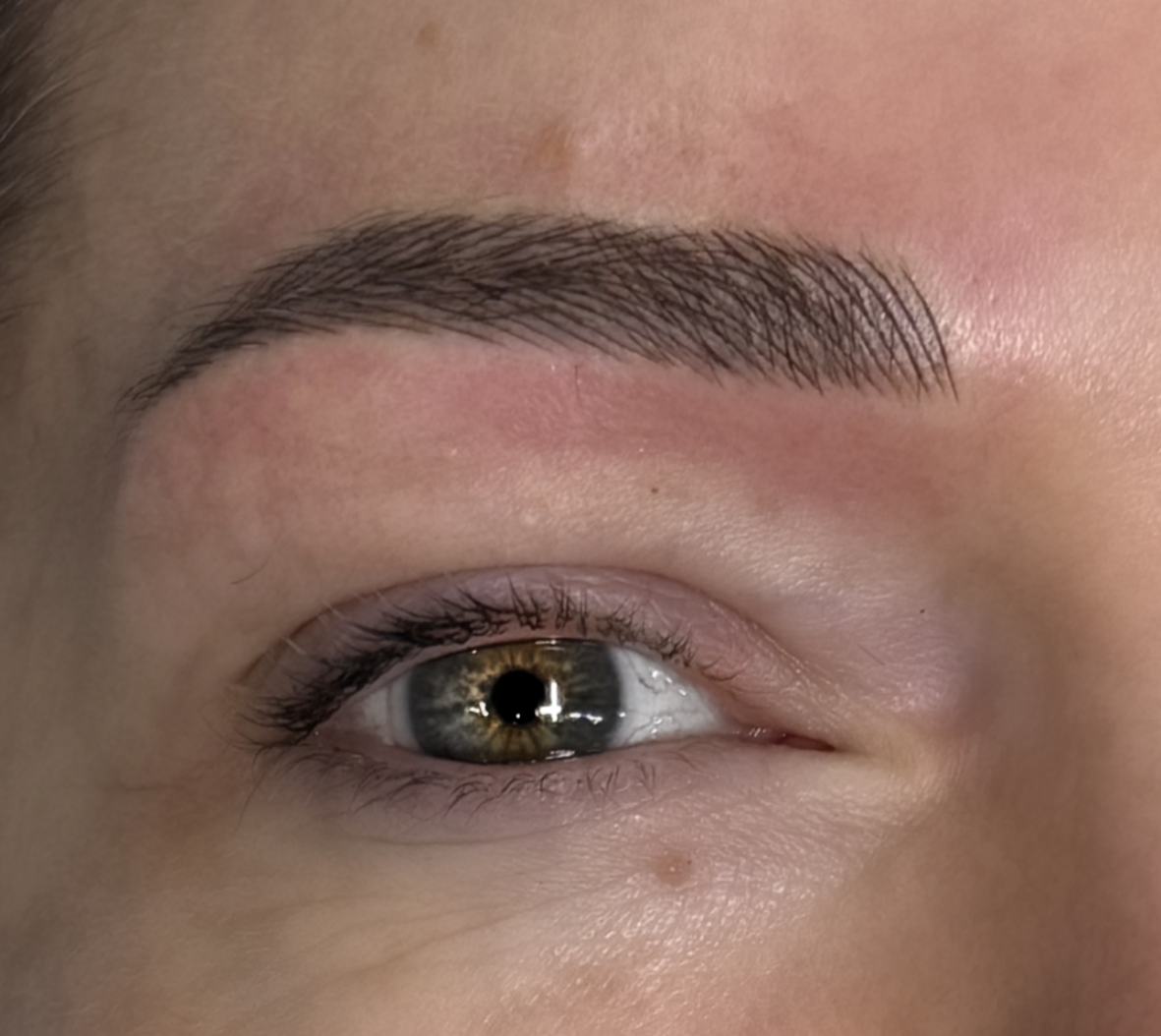
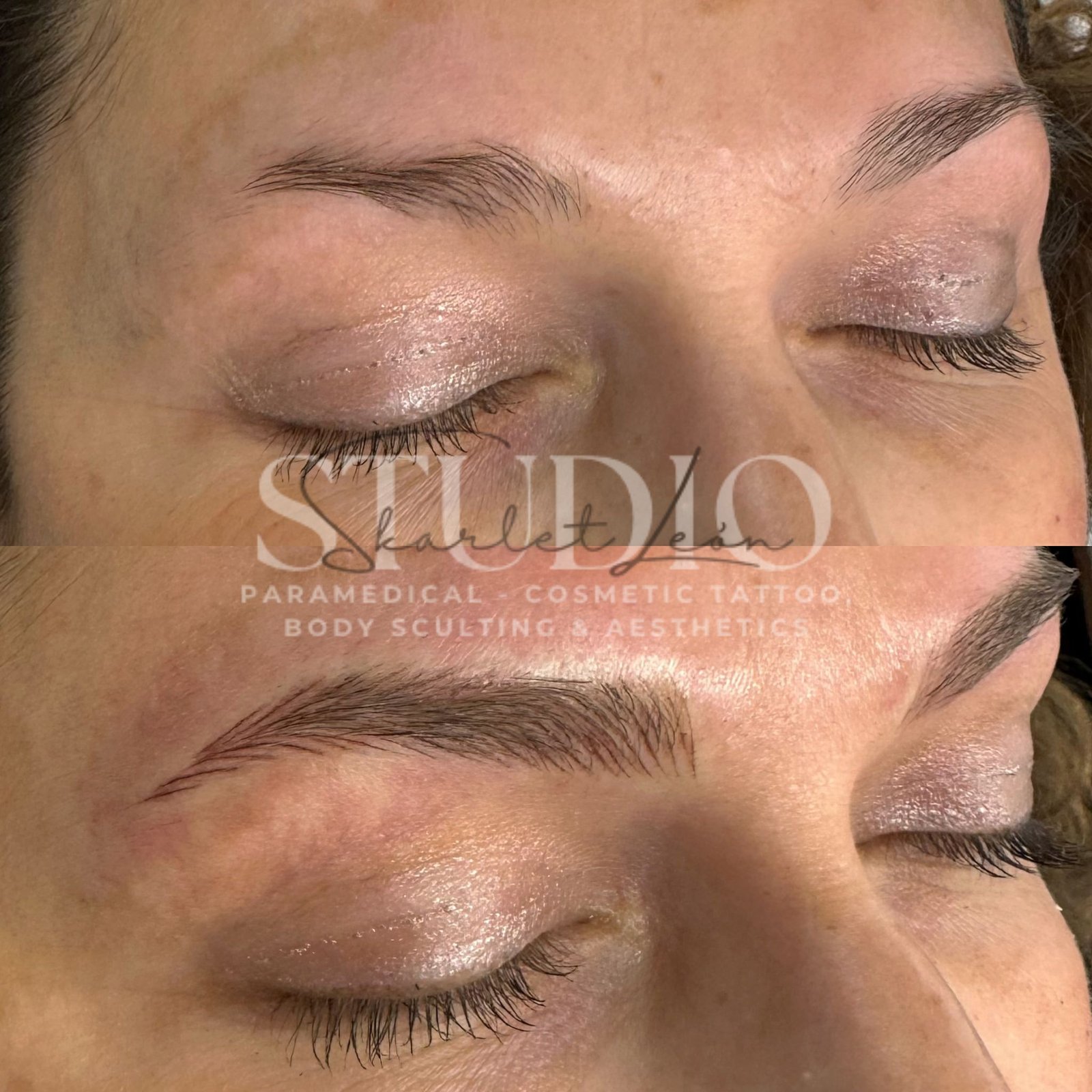
Microblading physically cuts the skin. Nano brows puncture it with a single needle. Fresh results can look similar — but the way they heal and age over 12 to 24 months is completely different. The skill is knowing which technique belongs on which skin.
The healing is completely different
This is something most clients do not know before they book — and something that matters enormously for how your first two weeks feel and how your result settles.
Because the blade cuts the skin, healing is more intense. Scabbing is normal and expected — the cuts need to close and the skin needs to repair itself. The scabs carry pigment as they fall, which is why some strokes can appear lighter or patchy after healing. The skin needs more time to fully settle and the process can feel more sensitive in the first few days.
Because the skin is punctured rather than cut, healing is significantly milder. Scabbing is minimal to none — most clients experience only very slight flaking, similar to mild dry skin. The recovery is more comfortable, less visible to others, and the pigment tends to settle more evenly because the skin has not been disturbed as deeply.
I always explain the healing process in full before any appointment — because knowing what to expect makes a huge difference to how you experience it. Microblading healing is not wrong. It is simply more involved. On the right client, it is completely manageable. On the wrong skin type, it can lead to uneven results as the pigment sheds with the scab. This is another reason technique choice matters so much — not just for the final result, but for the journey to get there.
What powder brows actually do
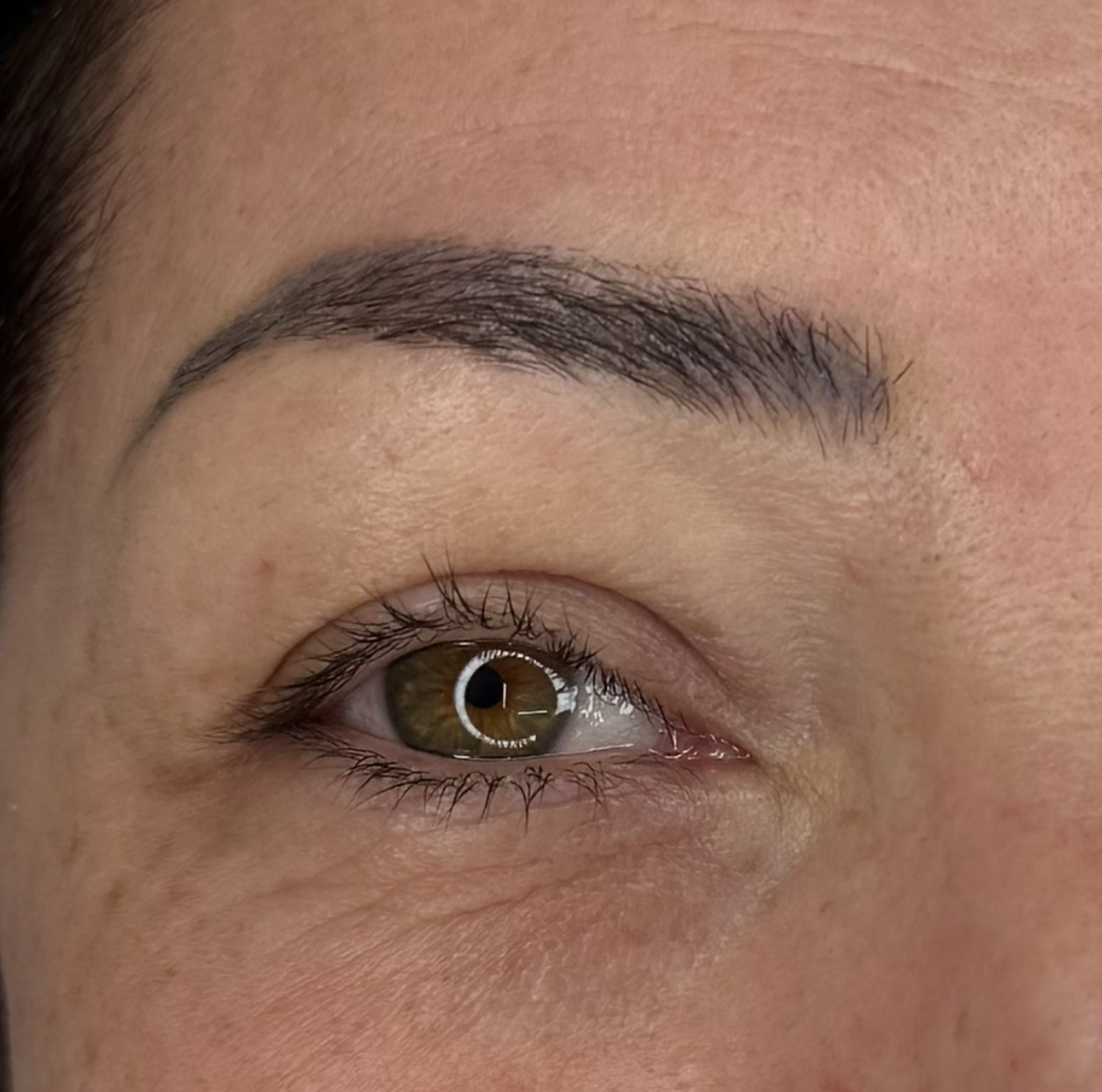
Powder brows use a digital machine to deposit pigment in tiny, controlled dots across the brow — building a soft, layered, gradient effect. Done well it looks like the most natural brow product you have ever worn. Except it does not wash off.
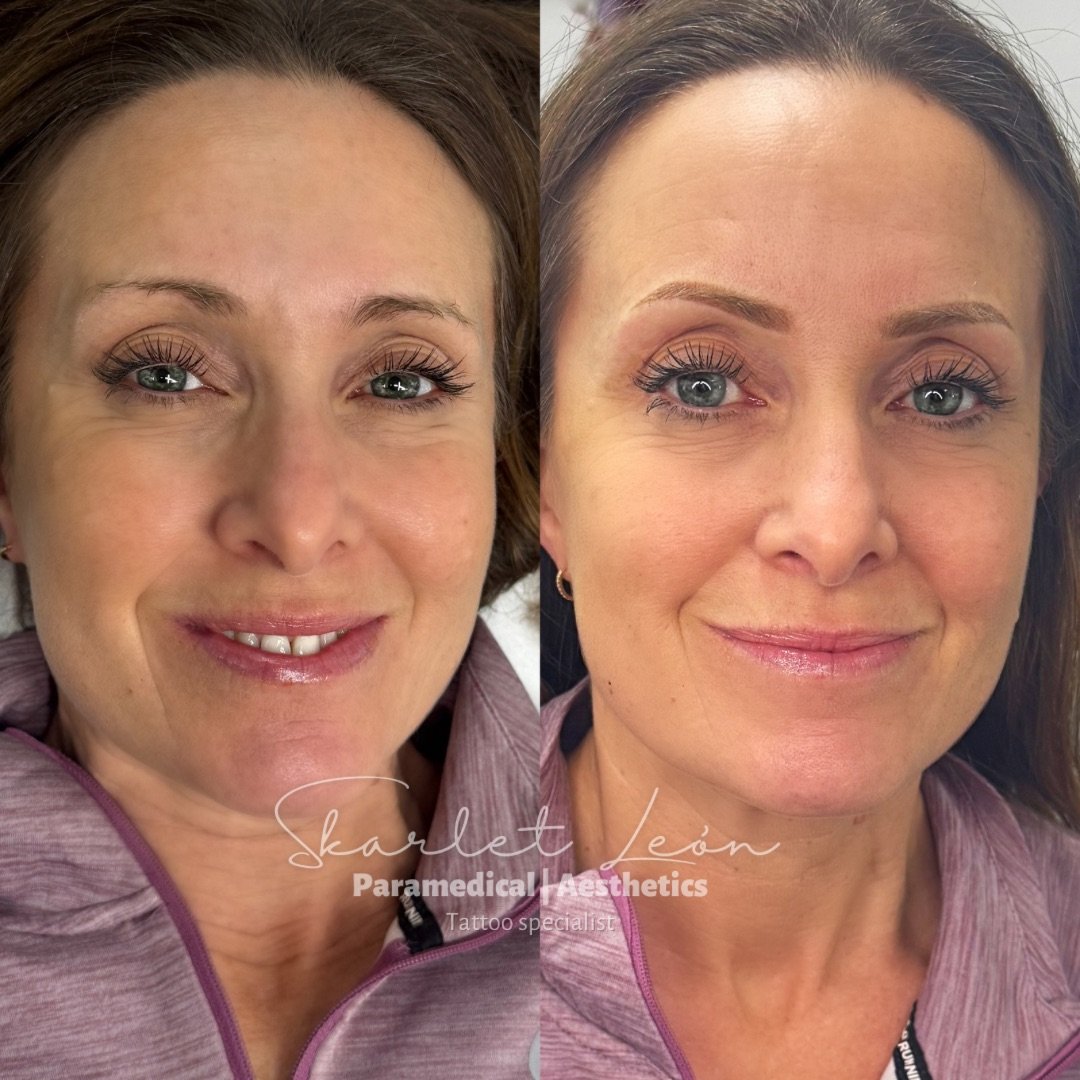
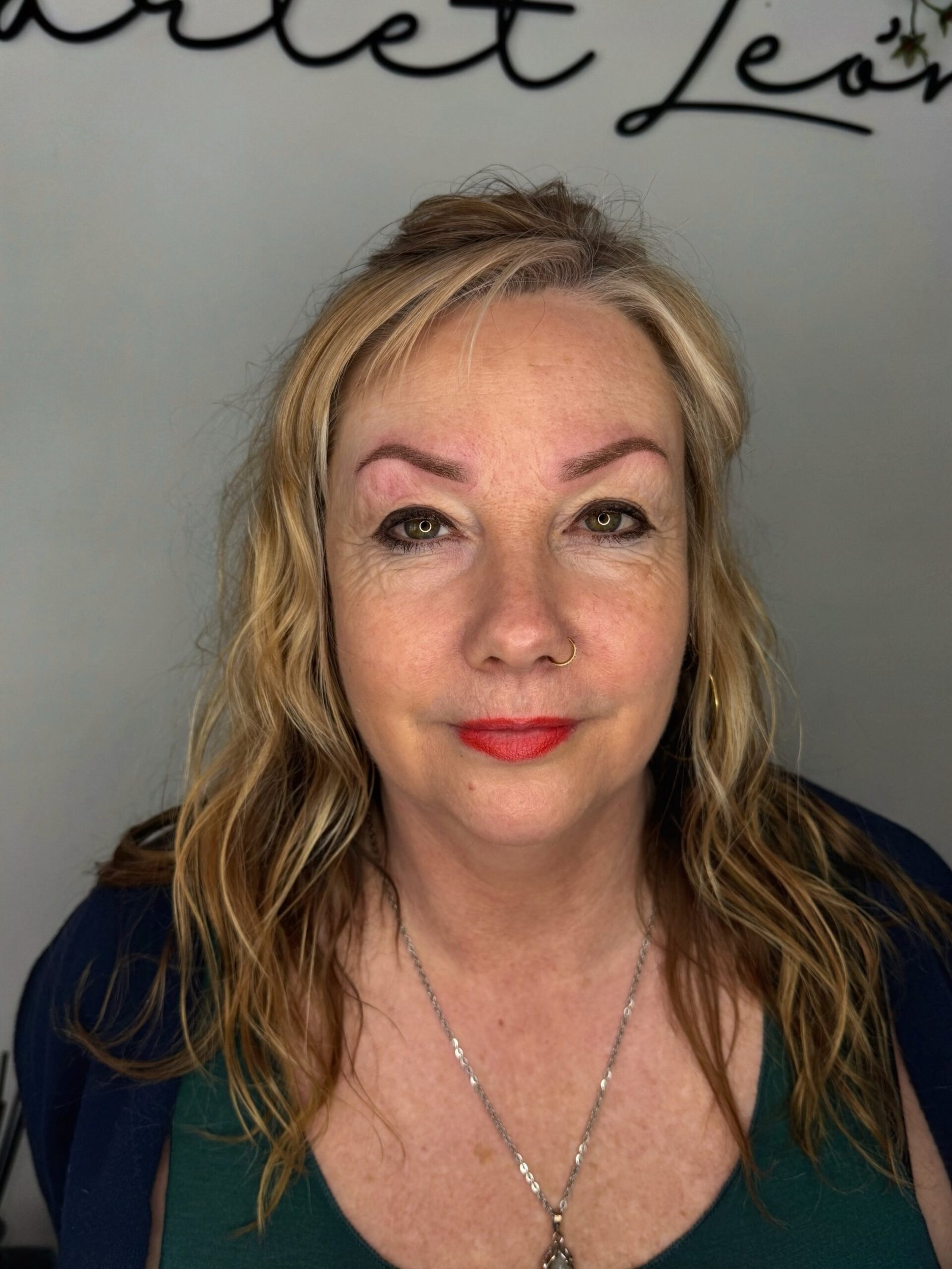
For mature skin, powder brows are consistently more forgiving, more durable and more flattering. Expression lines, texture and reduced elasticity affect the result far less. The colour stays more stable. The healed result more closely resembles the fresh one.
When nano brows are the answer
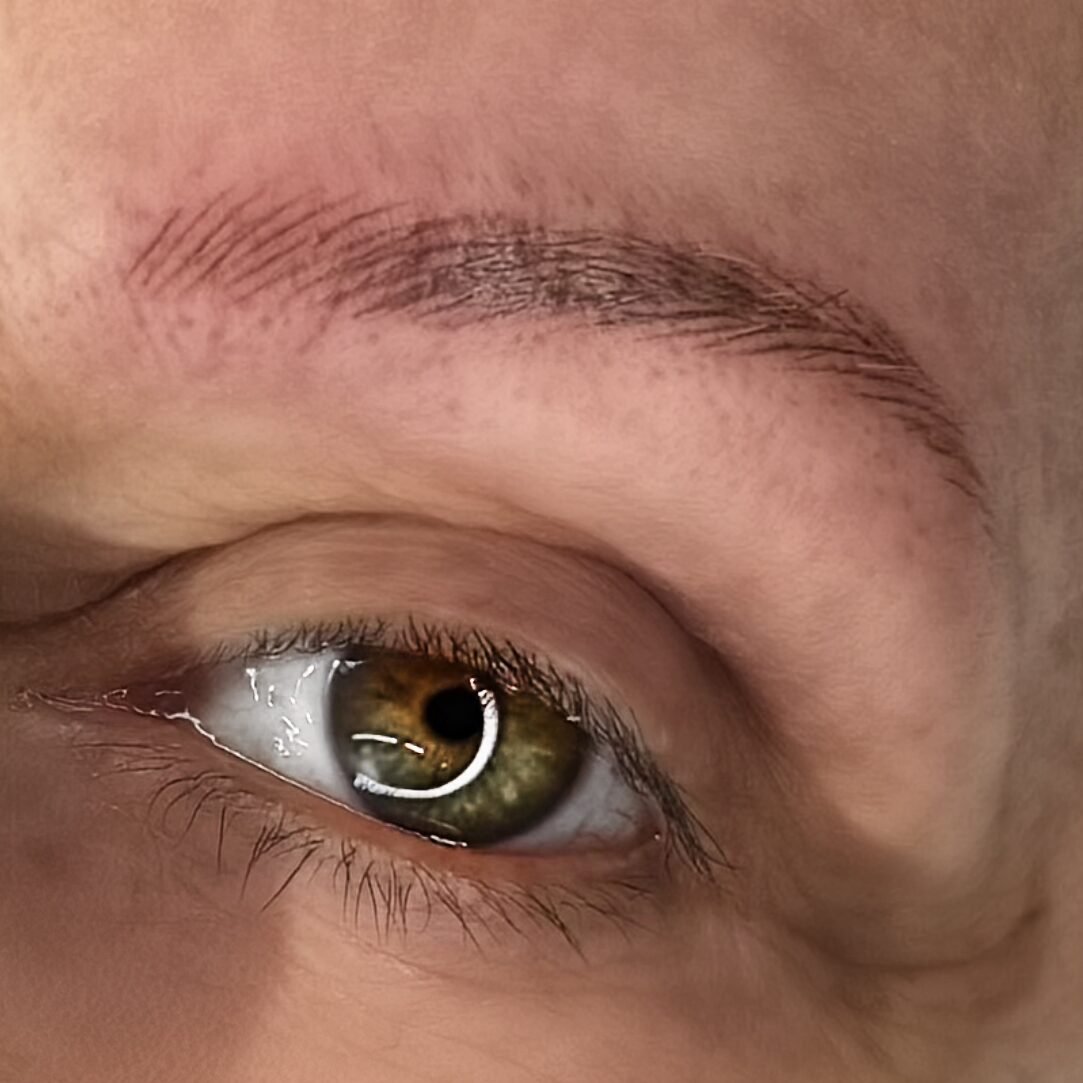
Nano brows are what I reach for when a client wants hair stroke realism but microblading is not right for their skin. Using a single ultra-fine needle on a digital machine, nano brows create individual marks with more precision and less skin trauma than any blade technique.
They require more technical skill. They take longer. But when the skin is assessed correctly, the result is extraordinary realism that heals predictably and ages well.
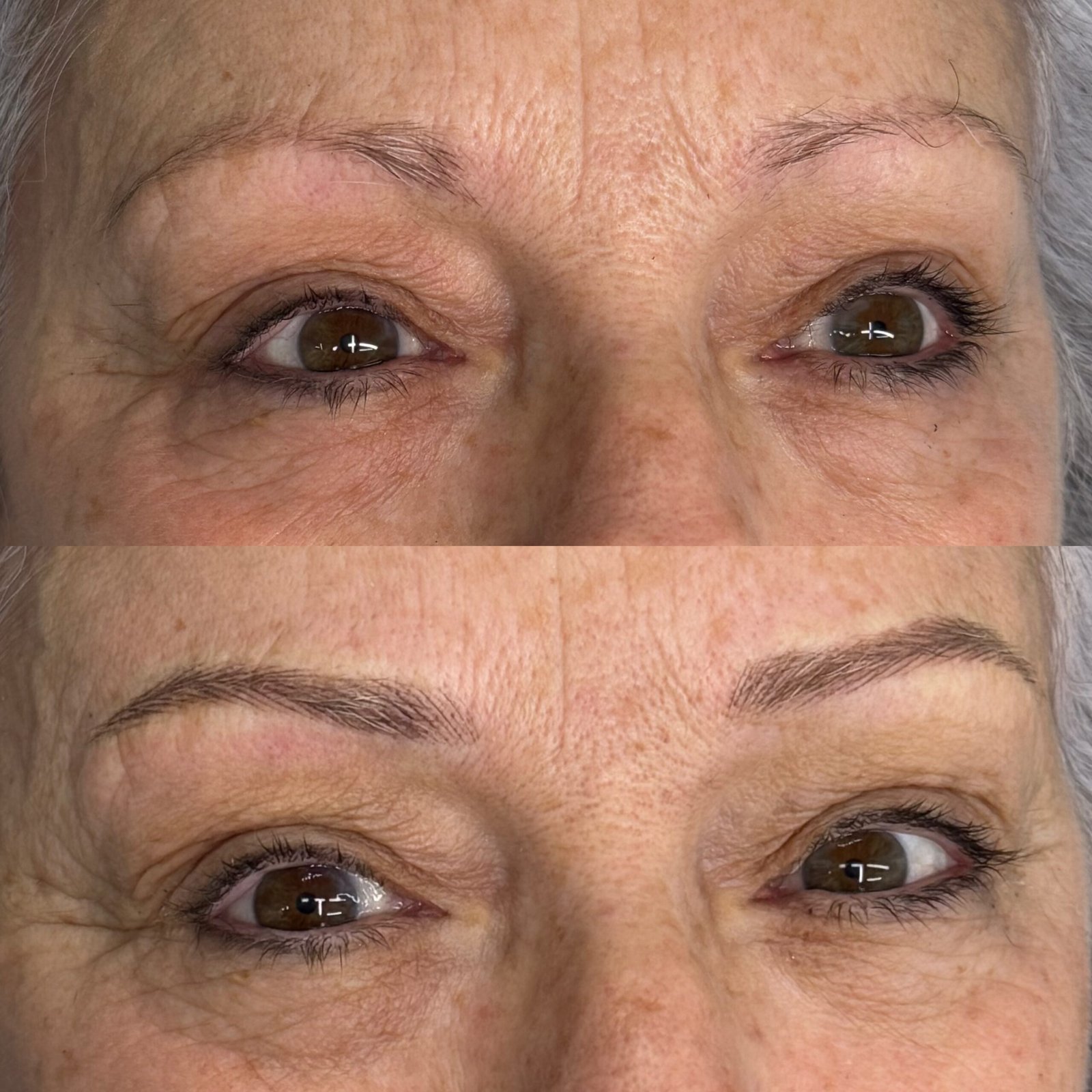
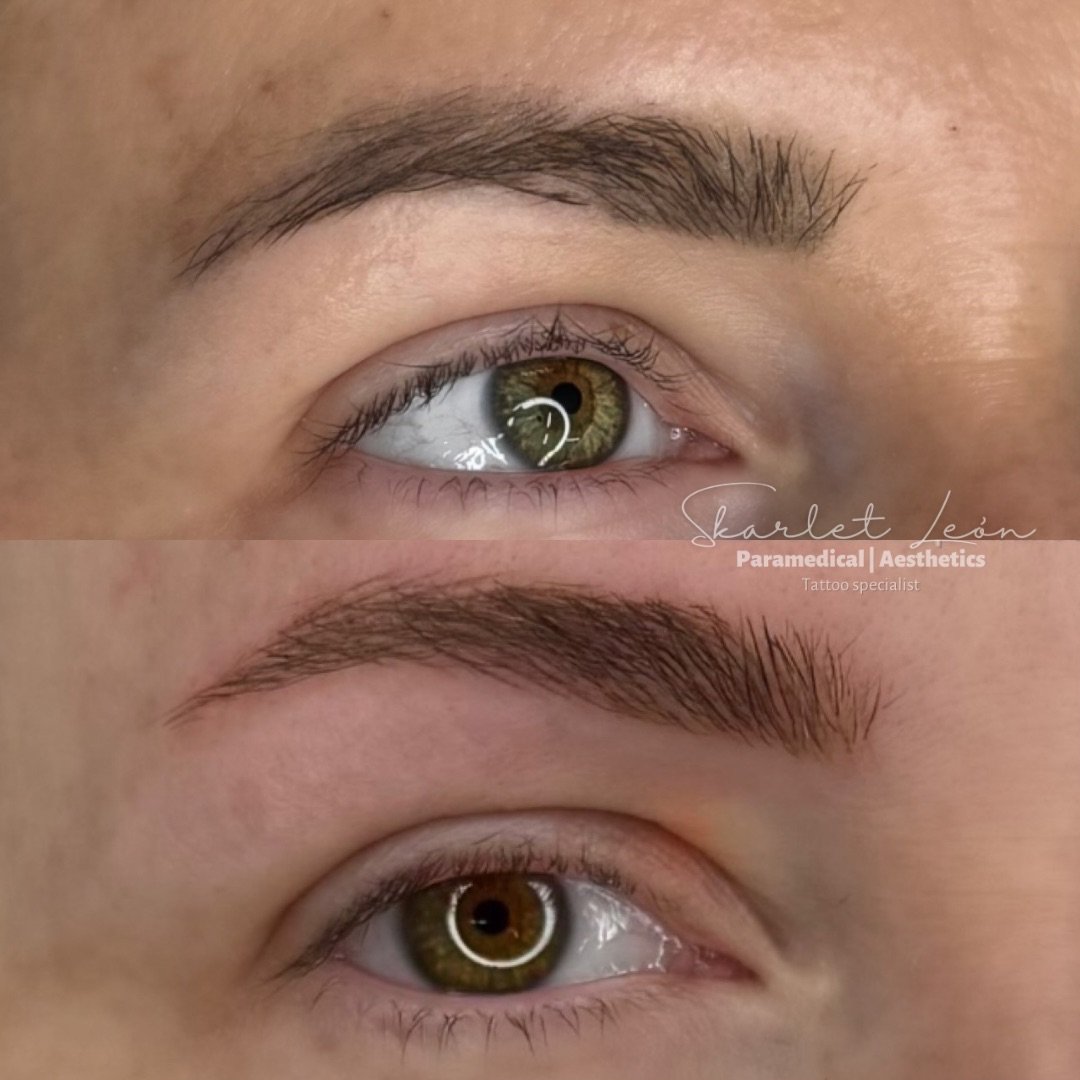
Nothing is copy and paste
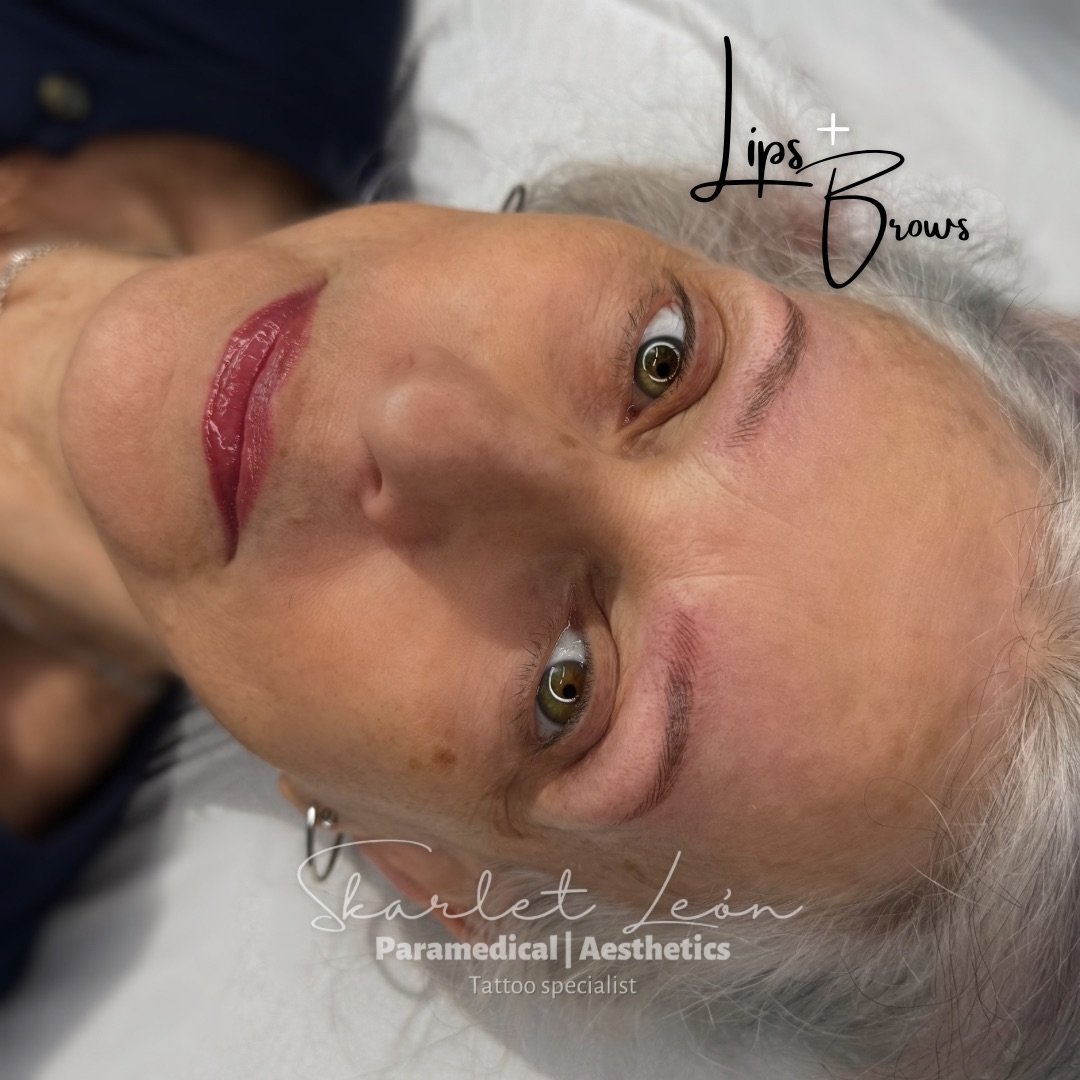
This is what I feel most strongly about. Saturation is adjustable. Colour is customisable. The darkness, the warmth, the weight of the tail, the height of the arch — all of it is calibrated for the individual in front of me.
A result that looks perfect on one face can look completely wrong on another — not because the work is bad, but because the face is different. The muscle anatomy is different. The way that person carries their expression is different. The way their skin heals is different.
I do not have a signature brow or a house style. What I have is the ability to read a face — and create the brow that belongs to it. Some brows are soft and diffused. Some are defined and architectural. Some are barely-there and completely natural. The right brow is the one that makes the person in the mirror look like themselves — just as they always wanted to.
The three techniques I offer — and why
Not ready for permanent yet? Lamination shows you the way
If you want to understand your face and shape before committing to anything permanent — brow lamination is the most honest starting point. We use your natural hair, map the shape using the same golden ratio analysis I use for PMU, add a soft tint, and you leave knowing exactly what permanent brows could look like on your face specifically.
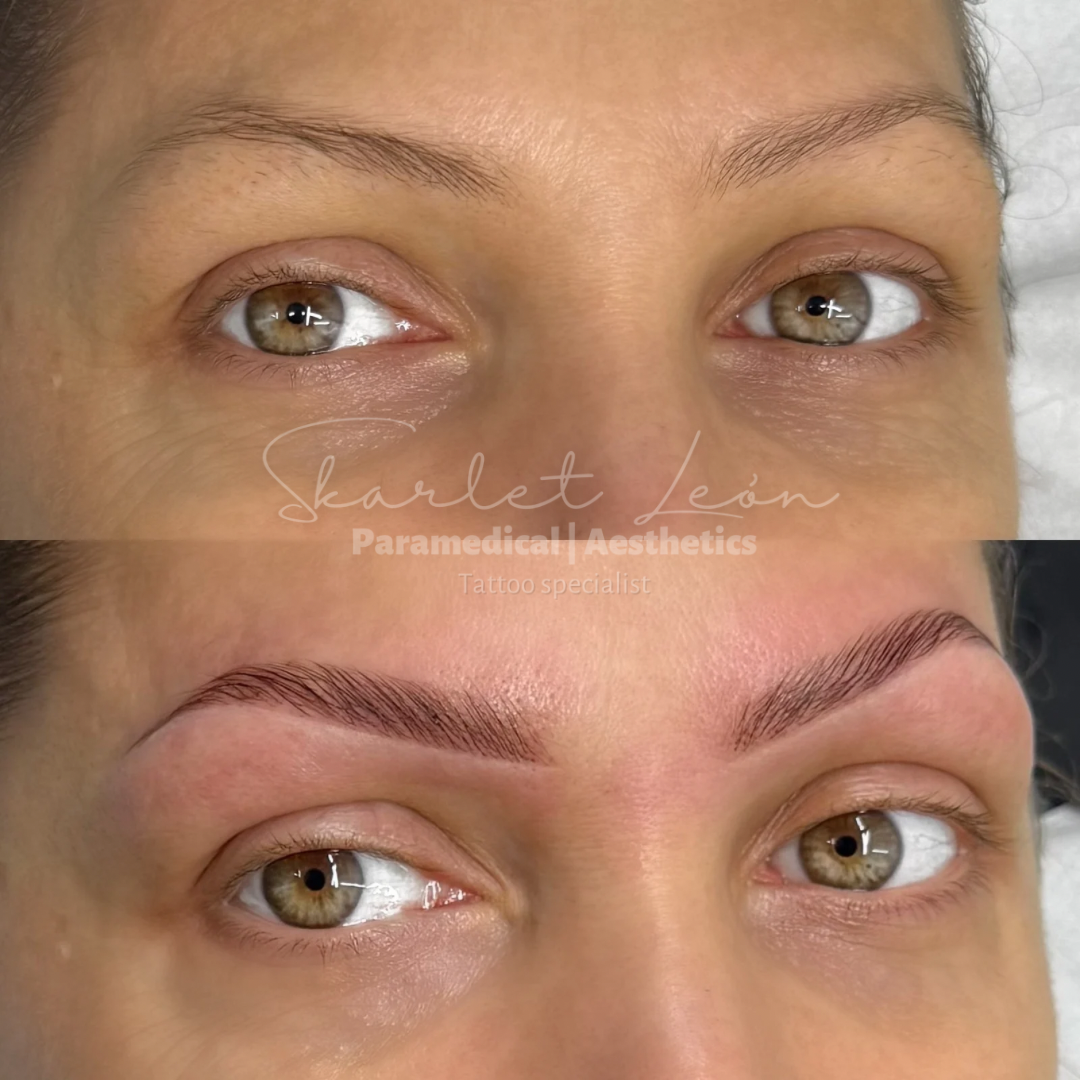
Want to see your shape before committing? Read the complete lamination guide → Many clients book their PMU appointment the same day — because finally seeing the shape makes the decision simple.
Want to know what’s right for your skin?
Send me a photo — your brows, natural light, no makeup if possible. I will tell you honestly which technique suits you and what your result could look like. No obligation. Just expertise.
Send me a photo — WhatsApp